Personal · 6 min read
5 cinematic portrait prompts that make your photos look film-shot
The exact prompt structure behind moody, filmic portraits — lens language, lighting words and grade cues you can copy today.
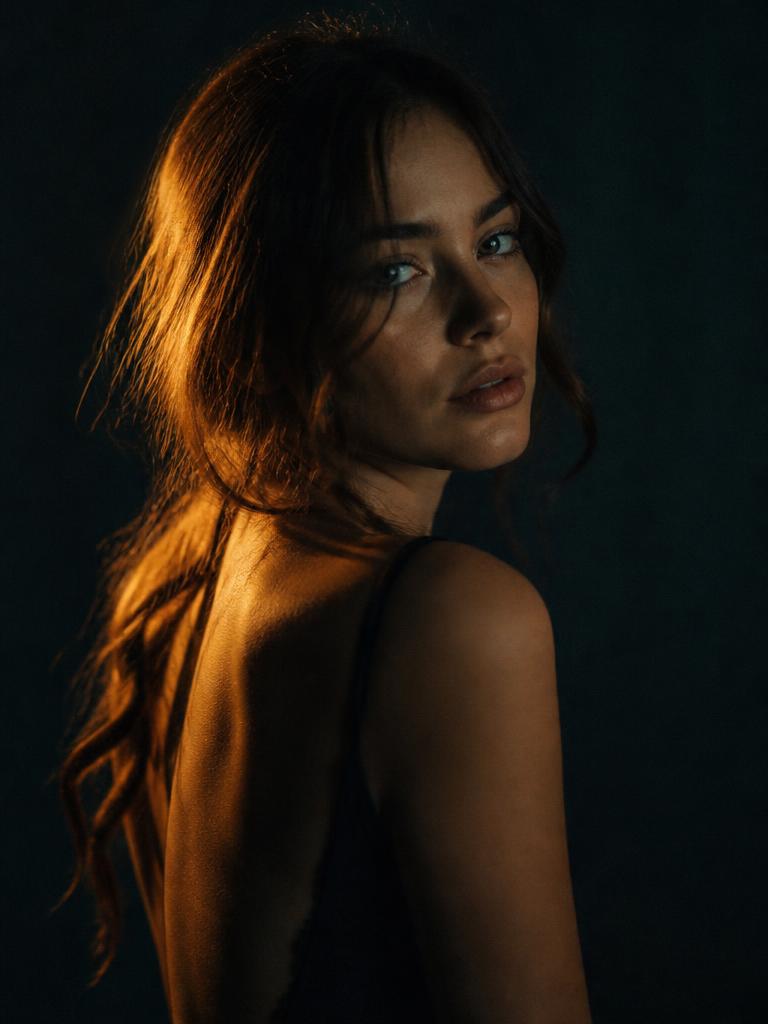
Why lens language matters more than adjectives
Image models respond far better to photographic vocabulary than to vague words like 'beautiful'. Naming a focal length, an aperture and a light source gives the model a physical setup to imitate, which is why the same subject looks dramatically more real with '85mm, f/1.8, golden hour rim light' attached.
Prompt
Ultra-detailed cinematic portrait of the person in the reference photo, 85mm lens, f/1.8, golden hour rim light from behind, soft bounce fill, shallow depth of field, filmic Kodak Portra color grade, subtle grain, sharp catchlights in the eyes
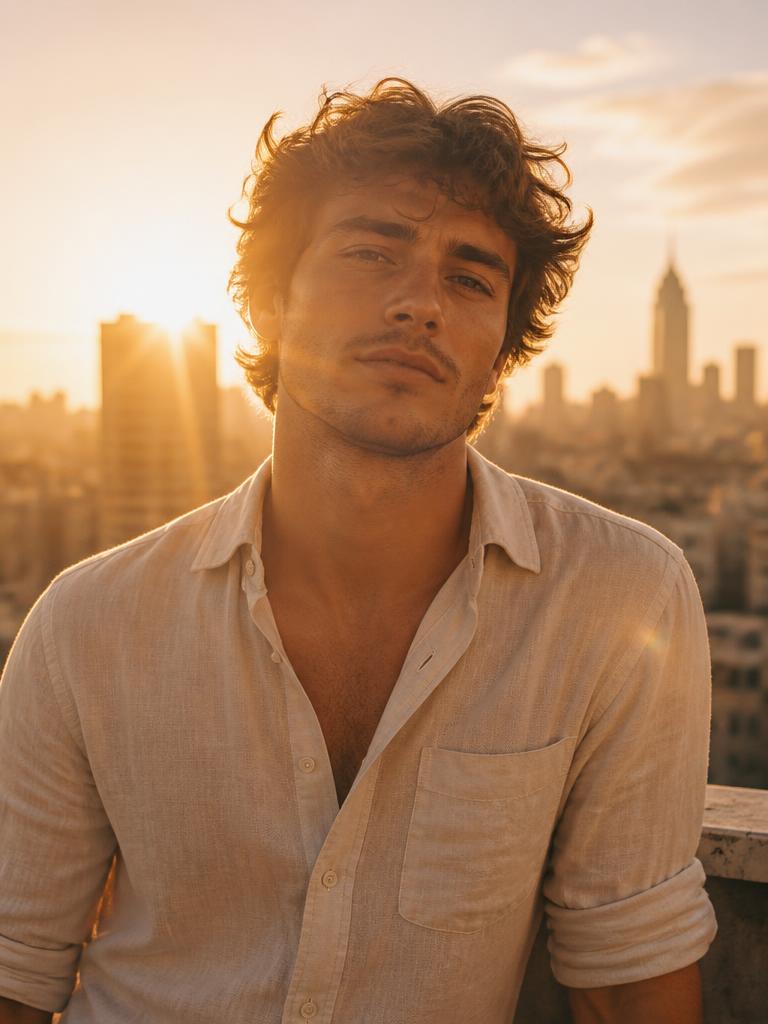
Build a mood with two competing light sources
Neon and practical lights create the contrast that reads as 'cinematic'. Pick one cool source and one warm source, then state where each sits relative to the face.
Prompt
Night-time editorial portrait, cyan neon key light from camera-left, warm tungsten practical behind the subject, rain-wet skin highlights, 50mm lens, f/1.4, deep shadows, teal-and-amber grade, photorealistic
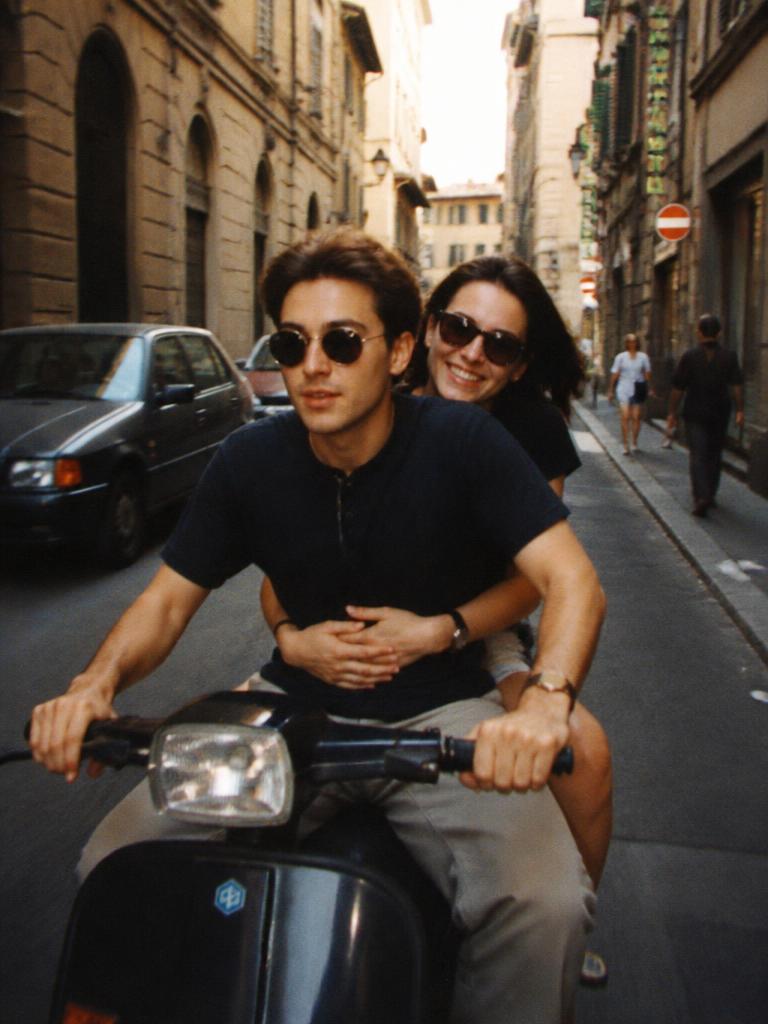
Finish with texture, not filters
Instead of asking for a filter, ask for the artifacts of real film: halation, gate weave, fine grain and slightly rolled-off highlights. It keeps skin tones believable.
Prompt
Analog 35mm film portrait, fine grain, gentle halation around highlights, slightly faded blacks, natural skin texture with visible pores, window light from the left, muted earthy palette
Want the full library?
Hundreds of premium prompts with sample images, one-click copy included.
Open PromptPic